 中文
 English
 Español
 Русский
 Türkçe
 اردو
 Italiano
 Français
 Deutsch
 العربية
圣训动画
朱莱吉与母亲的祈求
出处与可靠性: Sahih al-Bukhari 3436Sahih (authentic)
- 辑录
- Sahih al-Bukhari
- 传述
- Sahih al-Bukhari 3436书内编号: Book 60 (Prophets), Hadith 107
- 评定
- Sahih (authentic)Sahih al-Bukhari 3436, Sahih al-Bukhari 2482, Sahih Muslim 2550a, Sahih Muslim 2550b, Ibn Hajar al-Asqalani, Sahih al-Bukhari 1206, Ibn Hajar al-Asqalani
译文:Qabas
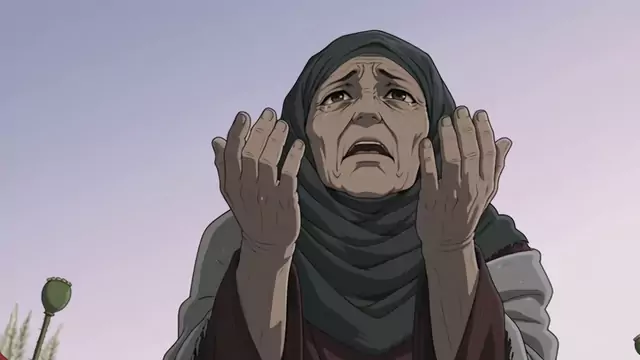
在 sunnah.com 上打开朱莱吉是以色列的后裔中一位虔诚的修行者,住在一间隐修室里。他做副功拜时,母亲三次呼唤他,他却继续礼拜。母亲心碎之下,祈求安拉在他看到风尘女子的脸之前不要让他死去。一个风尘女子试图诱惑他,却没有得逞。她与一个牧羊人犯了罪,却诬告朱莱吉是她婴儿的父亲。人们拆毁了他的隐修室,殴打他。他做了小净,礼了拜,碰了碰那个婴儿,问道:“你的父亲是谁?”婴儿开口说:“牧羊人。”人们提出用金子为他重建隐修室;他却要求用泥土照原样重建。这是一个关于孝敬母亲、关于安拉如何保护诚实之人的故事。
原声阿拉伯语和9种语言配音:请点视频上的音频按钮选择,字幕请点 CC 按钮。观看无需注册账户。
圣训原文
译文:Qabas · Sahih al-Bukhari 3436
经核实的英文译本
Narrated Abu Huraira: The Prophet (ﷺ) said, "None spoke in cradle but three: (The first was) Jesus, (the second was), there a man from Bani Israel called Juraij. While he was offering his prayers, his mother came and called him. He said (to himself), 'Shall I answer her or keep on praying?" (He went on praying) and did not answer her, his mother said, "O Allah! Do not let him die till he sees the faces of prostitutes." So while he was in his hermitage, a lady came and sought to seduce him, but he refused. So she went to a shepherd and presented herself to him to commit illegal sexual intercourse with her and then later she gave birth to a child and claimed that it belonged to Juraij. The people, therefore, came to him and dismantled his hermitage and expelled him out of it and abused him. Juraij performed the ablution and offered prayer, and then came to the child and said, 'O child! Who is your father?' The child replied, 'The shepherd.' (After hearing this) the people said, 'We shall rebuild your hermitage of gold,' but he said, 'No, of nothing but mud.'(The third was the hero of the following story) A lady from Bani Israel was nursing her child at her breast when a handsome rider passed by her. She said, 'O Allah ! Make my child like him.' On that the child left her breast, and facing the rider said, 'O Allah! Do not make me like him.' The child then started to suck her breast again. (Abu Huraira further said, "As if I were now looking at the Prophet (ﷺ) sucking his finger (in way of demonstration.") After a while the people passed by, with a lady slave and she (i.e. the child's mother) said, 'O Allah! Do not make my child like this (slave girl)!, On that the child left her breast and said, 'O Allah! Make me like her.' When she asked why, the child replied, 'The rider is one of the tyrants while this slave girl is falsely accused of theft and illegal sexual intercourse."
English translation by Dr. M. Muhsin Khan, as published on Sunnah.com.
出处与可靠性
- 传述
- Sahih al-Bukhari 3436 (书内编号: Book 60 (Prophets), Hadith 107)
- 另见于
Sahih al-Bukhari 2482 (Book 46 (Oppressions), Hadith 43)The same chain as no. 3436 (Muhammad ibn Sirin from Abu Hurayra), with Juraij's story only: here the woman says she will tempt Juraij, and his mother comes to him a second time before her supplication.
Sahih al-Bukhari 1206 (Book 21 (Actions while Praying), Hadith 10)Al-A'raj's narration, in the chapter on a mother who calls her son during the prayer: she calls him three times and he says each time, O Allah, my mother and my prayer; the woman is a shepherdess who sheltered by his hermitage; he calls the baby Babus (little one).
Sahih Muslim 2550a (Book 45 (The Book of Virtue, Enjoining Good Manners, and Joining of the Ties of Kinship), Hadith 8)Abu Rafi's narration: his mother says, O Juraij, I am your mother, speak to me; the people come with axes and spades; Juraij smiles and wipes the boy's head; they offer gold and silver, and he asks them to rebuild it as it was.
Sahih Muslim 2550b (Book 45 (The Book of Virtue, Enjoining Good Manners, and Joining of the Ties of Kinship), Hadith 9)Muhammad ibn Sirin's longer narration, the one the film follows most closely: his mother comes on three days; a sinful woman famed for her beauty offers to tempt him; the people beat him; he asks to pray, then pokes the baby's belly; they kiss him and offer to rebuild the hermitage of gold, and he asks for clay, as it was.
- 评定
Sahih (authentic)
- 两部《圣训实录》都有收录:布哈里在《先知篇》(3436号)和《不义篇》(2482号)中传自艾布·胡莱赖,两处都经由穆罕默德·本·西林;穆斯林在《善行、礼节与维系亲属篇》(2550号)中收录,经由艾布·拉菲尔和穆罕默德·本·西林。伊本·哈杰尔(《法特哈·巴里》(Fath al-Bari),第6卷,第553页)列出了从艾布·胡莱赖传述这个故事的人:穆罕默德·本·西林、艾阿拉吉、艾布·拉菲尔和艾布·赛莱迈。[1][2][4][5][6]
- 布哈里还在《礼拜中的行为篇》(1206号)、关于母亲在礼拜中呼唤儿子的那一章中收录了它,传自艾阿拉吉,以“莱斯说”开头,而不是他自己完整的传述链;伊本·哈杰尔(第3卷,第94页)指出,伊斯玛仪里以从莱斯起连贯的传述链完整地收录了它。[3][7]
参考资料
- [1] Sahih al-Bukhari 3436, Prophets, Sunnah.com (访问于 2026-10-20)Arabic text and English translation (Dr. M. Muhsin Khan).
- [2] Sahih al-Bukhari 2482, Oppressions, Sunnah.com (访问于 2026-10-20)Arabic text and English translation (Dr. M. Muhsin Khan).
- [3] Sahih al-Bukhari 1206, Actions while Praying, Sunnah.com (访问于 2026-10-20)Arabic text and English translation (Dr. M. Muhsin Khan).
- [4] Sahih Muslim 2550a, The Book of Virtue, Enjoining Good Manners, and Joining of the Ties of Kinship, Sunnah.com (访问于 2026-10-20)Abu Rafi's narration from Abu Hurayra; Arabic text and English translation (Abdul Hamid Siddiqui).
- [5] Sahih Muslim 2550b, The Book of Virtue, Enjoining Good Manners, and Joining of the Ties of Kinship, Sunnah.com (访问于 2026-10-20)Muhammad ibn Sirin's narration from Abu Hurayra; Arabic text and English translation (Abdul Hamid Siddiqui).
- [6] Ibn Hajar al-Asqalani, Fath al-Bari, vol. 6, pp. 552-557 (Book of the Prophets, chapter on Maryam and Isa, commentary on Sahih al-Bukhari 3436), Islamweb.net library (page numbers as printed) (访问于 2026-10-20)Ibn Hajar gives his full commentary on the story here. Arabic, summarised and translated by Qabas Academy.查阅的页面: pp. 553-557
- [7] Ibn Hajar al-Asqalani, Fath al-Bari, vol. 3, p. 94 (Book of Actions while Praying, chapter: if a mother calls her son during the prayer, commentary on Sahih al-Bukhari 1206), Islamweb.net library (page numbers as printed) (访问于 2026-10-20)Arabic, summarised and translated by Qabas Academy.查阅的页面: p. 94
- [8] Al-Nawawi, Sharh Sahih Muslim (al-Minhaj), vol. 16, pp. 82-84 (Book of Virtue, chapter: giving precedence to honouring parents over voluntary prayer and other acts, commentary on Sahih Muslim 2550), Islamweb.net library (Dar al-Khayr edition, 1416 AH / 1996, page numbers as printed) (访问于 2026-10-20)Arabic, summarised and translated by Qabas Academy.查阅的页面: p. 82, p. 84
讲解
- 先知(愿主福安之)说,只有三个人在摇篮里说过话:尔撒(耶稣)、朱莱吉故事里的婴儿,以及以色列的后裔中一个吃奶的孩子,当一个仪表堂堂的骑者经过时,他祈求安拉不要让他像那个人一样。伊本·哈杰尔(《法特哈·巴里》(Fath al-Bari),第6卷,第553页)解释说,布哈里把这段圣训放在尔撒(愿主赐他平安)的章节里,因为它讲的是在摇篮里说话的人,而尔撒是其中的第一位。[1][6]
- 朱莱吉是一位虔诚的修行者,他为自己建了一间隐修室,住在里面(穆斯林 2550b)。伊本·哈杰尔(第6卷,第554页)把隐修室(saumaʿa)描述为一座高高的建筑,顶端狭窄,并从各传述中得出结论:朱莱吉生活在尔撒(愿主赐他平安)之后,是他的追随者之一。[5][6]
- 他正在礼拜时,母亲来呼唤他。在穆斯林经由穆罕默德·本·西林的传述中(2550b),她一连来了三天,每一次他都说:我的主啊,我的母亲和我的礼拜,然后又回到礼拜中;在艾布·拉菲尔的传述中(2550a),艾布·胡莱赖演示了先知(愿主福安之)如何描述她呼唤他时的样子:手掌搭在眉毛上,抬头望着他。伊本·哈杰尔(第6卷,第554页)解释他的话说:回应我的母亲和完成我的礼拜同时摆在我面前,求你引导我去做两者中更好的那一件。[5][4][6]
- 奈瓦威(《穆斯林圣训实录注释》(Sharh Sahih Muslim),第16卷,第82页)转述说,学者们认为这证明了他正确的做法是回应母亲:他当时在做副功拜,继续礼拜是自愿的而非必须的,而回应母亲、孝敬母亲是必须的,忤逆母亲是被禁止的;他本可以缩短礼拜,回应她,然后再回到礼拜中。伊本·哈杰尔(第6卷,第556页)得出同样的判断:回应母亲优先于继续副功拜,因为继续礼拜是自愿的,而回应母亲、孝敬母亲是必须的。[8][6]
- 他为什么没有回应母亲?奈瓦威(第16卷,第82页)认为,也许他担心母亲会叫他离开隐修室、回到尘世中去,而这会削弱他的决心。伊本·哈杰尔(第6卷,第556页)对此提出疑问,因为母亲常来看他、和他说话;他认为更可能的是,他没有缩短礼拜,是怕失去礼拜中的谦恭专注(khushuʿ)。关于布哈里那一章讲母亲在礼拜中呼唤儿子(1206号),伊本·哈杰尔(第3卷,第94页)指出,学者们对回应母亲是否必须、如果必须的话礼拜是否因此作废,存在分歧。[8][6][3][7]
- 母亲伤心地说:“安拉啊,在你让他看到风尘女子的脸之前,不要让他死去!”在艾布·拉菲尔的传述中(穆斯林 2550a),先知(愿主福安之)还补充说,假如她祈求让他陷入诱惑,他就会陷入。伊本·哈杰尔(第6卷,第556页)从中看到她的温和:她虽然生气,却只求了这一件事,没有求他陷入罪恶或被杀。奈瓦威(第16卷,第84页)把孝敬父母的伟大、母亲权利的特殊分量,以及她的祈求会被应答列为这段圣训的益处。[1][4][6][8]
- 以色列的后裔谈论着朱莱吉和他的功修,一个美貌出名、被人当作典范的风尘女子提出要去诱惑他;他没有理睬她。她去找一个在他隐修室旁栖身的牧羊人,委身于他,生下孩子后,她说孩子是朱莱吉的(穆斯林 2550b)。奈瓦威(第16卷,第84页)解释说,她的美貌之所以被人当作典范,是因为在这一点上无人能比。[5][8]
- 人们来到他那里,把他从隐修室拉下来,拆毁了隐修室,开始殴打他(穆斯林 2550b);在艾布·拉菲尔的传述中,他们带着斧头和铁锹来了(穆斯林 2550a)。接着,用布哈里的话说,“他做了小净,礼了拜”。奈瓦威(第16卷,第84页)由此得出:为重大的事情向安拉祈求时,做小净并礼拜是可嘉的;伊本·哈杰尔(第6卷,第557页)则说:遇到重大的事情,要投靠安拉,在礼拜中转向祂。两人都指出,小净在我们之前的民族的教法中就已为人所知。[5][4][1][8][6]
- 然后他走到那个孩子面前,问道:“孩子,你的父亲是谁?”孩子说:“牧羊人。”在穆斯林的传述中,他用手指戳了戳婴儿的肚子(2550b),或者微笑着摸了摸男孩的头(2550a);伊本·哈杰尔(第6卷,第556页)把这些传述合在一起:这些他都做了。他还从中看到朱莱吉坚定的信念和他对安拉可靠的希望:他让一个新生儿开口说话,尽管新生儿不会说话。[1][5][4][6]
- 奈瓦威(第16卷,第84页)说,这段圣训证实了卡拉麦(karamat),即安拉赐予祂清廉的近主者(awliya')的奇迹,这是逊尼派(Ahl as-Sunna)的主张,并说卡拉麦可以按照他们自己的选择和请求而发生;伊本·哈杰尔(第6卷,第557页)也这样说。[8][6]
- 伊本·哈杰尔(第6卷,第556页)说,这段圣训表明,对安拉诚实的人,考验伤害不了他,而且当安拉的近主者受到考验时,安拉会为他们开辟出路。奈瓦威(第16卷,第84页)也这样说,并引《古兰经》(65:2)为证,还补充说,困难有时会在他们身上停留一段时间,为了提升他们的境界、磨炼他们,因此这也是一种恩惠。[6][8]
- 人们说:“我们用金子为你建造隐修室。”他说:“不,只用泥土。”在穆斯林的传述中,他们提出用金子和银子重建(2550a),而他要求他们用泥土照原样重建(2550a,2550b)。[1][4][5]
教益与收获
思考题
这些问题由 Qabas Academy 撰写,帮助你思考。它们不是圣训或其注释的一部分。
- 朱莱吉的母亲在他做副功拜的时候呼唤他。当父母在你做一件好事的中途呼唤你时,你通常怎样回应?
- 他的母亲很伤心,却只向安拉祈求了她所祈求的。当你对所爱的人生气时,你怎样管住自己的话?
- 在面对人群之前,朱莱吉做了小净并礼拜。当突如其来的考验降临时,你首先转向什么?
- 人们要给他建一座金子的隐修室;他却要求用泥土照原样重建。为了让你的功修保持朴素,今天你会拒绝什么?